A logo is often the first thing people ask for when they start a branding project. It is also one of the smallest parts of the finished identity. A strong brand has a recognizable way of presenting itself that stays familiar from one interaction to the next.
The Logo Is the Beginning, Not the Whole Story
A good logo can carry a lot of weight, but it cannot explain every part of a business. It cannot decide how a website should feel, how a proposal should look, how social media posts should be structured, or how a customer should recognize the company six months later.
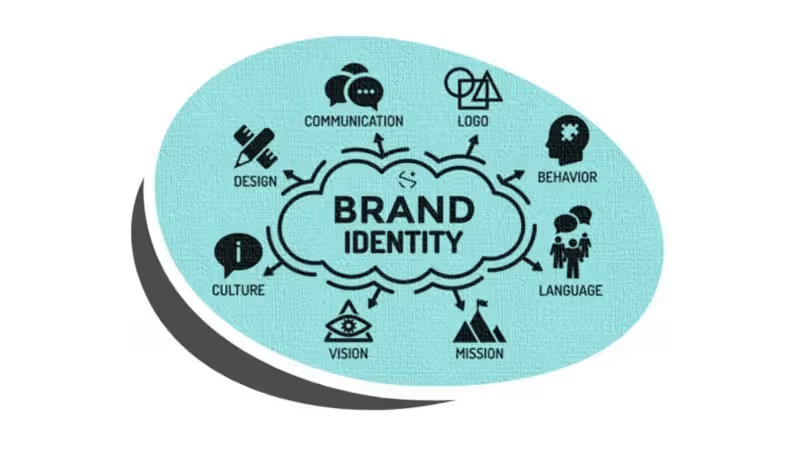
That is where brand identity design becomes important. The logo has a role inside a wider system. Colors, typography, layouts, imagery, icons, stationery, packaging, digital interfaces, and even small details such as button styles can all contribute to the same identity.
Consistency Creates Recognition:
People tend to remember patterns before they remember details. When the same visual ideas appear across a website, business card, presentation, social profile, and printed material, the brand starts to feel familiar.
Consistency does not mean making every asset look identical. It means giving different pieces a common visual logic. A restaurant menu can feel different from an Instagram post while still clearly belonging to the same business. The same is true for a technology company, a property developer, or a professional service firm.
A Visual Identity Needs Rules:
Without a system, even talented designers can produce work that feels disconnected. One campaign may use a heavy typeface while another uses something delicate. A new designer may choose a different shade of the brand color. A website update may introduce a style that was never part of the original direction.
A well-built identity reduces that uncertainty. Brand guidelines, typography choices, color specifications, layout principles, image direction, and examples give everyone a reliable starting point. That makes future work faster and keeps the company recognizable as it grows.
Brand Identity Also Shapes Trust:
Customers usually create decisions based on seconds upon viewing a brand. A clean and considered identity can suggest that the business pays attention to detail before anyone reads the full website copy while this sort of mentality matters even more in crowded markets within which several companies offer similar services, the quality and consistency of presentation can influence which one feels intentionally thought of for the customer. Good branding does not replace a strong service, but it can make that service easier to understand and trust.
The Identity Should Work in Real Life:
Brand identity is not finished when the presentation deck looks good. It has to survive real applications. The logo needs to work in small spaces. The colors need to hold up across digital and print use. Social media templates need to remain practical. Whether placed on a business card, sign, proposal, packaging label, or your website, it should all feel cohesive without becoming repetitive.
That is why strong branding starts with the places a business actually communicates. The identity is built around those facets of a brand instead of being treated as an isolated artwork.
Build Something People Can Recognize:
The best brand identities give businesses a clear visual presence without forcing every communication into the same mold. They create a framework that leaves room for new campaigns, new services, and new ideas while keeping the core identity intact. For a graphic design agency, that is the real job of branding. It is not simply making a logo but rather it’s a visual system that can carry the business forward.
A Practical Takeaway:
A memorable brand is built through repeated, consistent experiences. Start with a strong identity system, then make sure the system works everywhere the business shows up.